
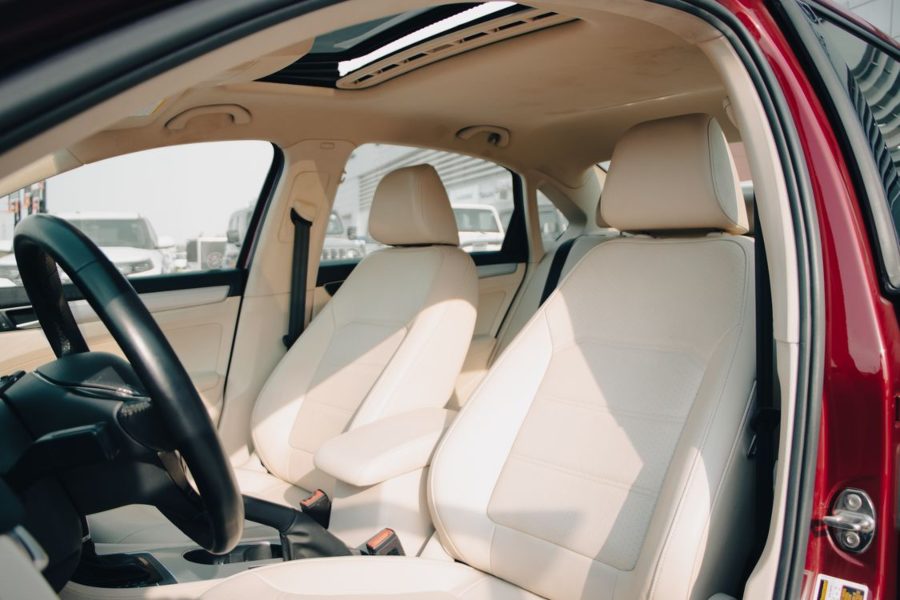
As the sun beats down with increasing intensity, drivers often focus on the external appearance of their vehicles. We wash and polish the exterior to a perfect shine, but we frequently neglect the fragile environment inside the cabin. Parking your vehicle in direct sunlight does much more than make the steering wheel uncomfortably hot. The compounding effects of intense heat, relentless ultraviolet radiation, and exposed personal belongings create a perfect storm for long-term damage and security risks. Taking proactive steps to regulate the climate inside your vehicle is a vital component of routine auto maintenance that preserves both functionality and peace of mind.
The Hidden Cost of Extreme Cabin Heat
When a car is parked under the open sky, the glass windows act like a greenhouse, trapping solar radiation and causing interior temperatures to spike rapidly. According to the National Highway Traffic Safety Administration, the temperature inside a car can reach over 115 degrees when the outside temperature is just 70 degrees. This staggering heat buildup places a tremendous mechanical burden on your vehicle, specifically the air conditioning system. The interior plastics and adhesives also begin to off-gas under such severe temperatures, which degrades cabin air quality over time.
Forcing your climate control to rapidly cool an overheated interior requires the compressor to run at maximum capacity. This draws significant mechanical power away from the engine. The U.S. Department of Energy notes that running a vehicle air conditioning system in severe heat can reduce conventional fuel economy by more than 25 percent, particularly during short trips. Furthermore, idling a traditional gas-powered car simply to cool down a sun-baked cabin before putting it in gear can waste between a quarter and a half gallon of fuel every single hour. For expert advice on keeping your system running efficiently, staying up to date with seasonal summer vehicle inspections is highly recommended to prevent compressor burnout.
This thermal strain also severely impacts modern alternative fuel vehicles. A study conducted by AAA revealed that operating an electric vehicle in 95-degree heat reduces its overall efficiency by over ten percent and decreases total driving range by a considerable margin. This drop is largely due to the massive energy demands of the electric climate control system. Hybrid vehicles face similar challenges under identical conditions. For electric vehicle drivers relying on public charging infrastructure, this increased cooling load translates to higher operating expenses and more frequent charging stops. Proactively managing interior temperatures allows the battery thermal management system to operate more efficiently, extending the overall lifespan of the battery pack.
Shielding Upholstery and Electronics from UV Damage
Heat is only half of the equation when it comes to solar damage. Prolonged exposure to ultraviolet radiation physically breaks down the chemical bonds within your interior materials. Over time, UVA and UVB rays accelerate the fading of dyed fabrics and dry out premium leather seating, causing it to lose its natural suppleness. Extreme thermal stress from trapped solar heat also causes dashboard plastics to repeatedly expand and contract. This continuous cycle ultimately results in permanent warping, brittleness, and unsightly cracking across the dashboard surface.
To combat this rapid degradation, drivers should consider utilizing physical barriers that block sunlight before it penetrates the cabin. High-quality car privacy shades serve as a highly effective defense mechanism, significantly lowering interior temperatures while filtering out the harmful UV radiation that destroys upholstery. Blocking the sun at the window glass is a preventative measure that requires minimal effort but delivers substantial long-term benefits. These physical barriers are especially useful for families who want to protect passengers in the rear seats from intense glare during long summer road trips.
Modern vehicles are also packed with sensitive electronics that are highly susceptible to extreme temperatures. Direct sun exposure combined with intense cabin heat can compromise in-car technology by warping internal circuit boards, degrading the protective coatings on delicate wiring, and permanently discoloring infotainment touchscreens. Continual sun and heat damage noticeably ages a vehicle inside and out. Automotive appraisers frequently note that a sun-damaged interior can reduce a vehicle long-term resale value by as much as ten percent. Regularly applying a UV-protectant interior detailer spray provides an additional layer of moisture and protection for these vulnerable surfaces.
Deterring Smash-and-Grab Thefts with Increased Privacy
Beyond temperature control and material preservation, obscuring the inside of your vehicle plays a crucial role in automotive security. The National Insurance Crime Bureau continuously warns that vehicle break-ins are predominantly crimes of opportunity. These smash-and-grab incidents are triggered almost entirely by the visibility of valuables left unattended inside the cabin. A poorly protected vehicle invites unwanted attention, turning a quick stop at the grocery store into a costly and frustrating ordeal.
National crime data indicates that over one million vehicle thefts and break-ins occur annually across the United States. This alarming statistic underscores the necessity of physical deterrents that keep the interior of parked cars hidden from prying eyes. When thieves cannot clearly see what is inside a vehicle, they are far less likely to risk shattering a window and triggering an alarm. Taking preventative action is the most reliable way to secure your personal property.
To drastically reduce your statistical likelihood of falling victim to a break-in, you should never leave everyday items exposed on car seats or floorboards. Consider these basic security rules for your vehicle interior:
- Store backpacks, gym bags, or briefcases that might contain electronics securely in the trunk.
- Hide charging cables or mounting brackets, as these accessories suggest an expensive device is stashed nearby.
- Remove loose change, cash, or wallets left in the center console or cup holders.
- Conceal shopping bags, especially those from high-end retail stores that attract immediate attention.
- Keep house keys or garage door openers out of sight to prevent criminals from gaining access to your home.
By simply blocking the view into the back seats and cargo areas, you eliminate the visual temptation that drives most property crime. Combining secure parking habits with accessories that darken the windows provides a robust layer of passive security. Parking in well-lit, highly visible areas adds another deterrent, making criminals think twice before attempting an intrusion.
The Long-Term Benefits of Interior Maintenance
Caring for a vehicle requires a comprehensive approach that goes beyond routine oil changes and tire rotations. Protecting your interior from the brutal combination of heat and ultraviolet radiation preserves the structural integrity of your dashboard, extends the life of your upholstery, and protects sensitive electronics. These small, daily habits compound over the years to keep your car looking and functioning like new.
Simultaneously, reducing the temperature inside your cabin relieves massive strain on your air conditioning system, thereby improving fuel economy for gas-powered cars and preserving battery range for electric vehicles. When you factor in the added security benefits of hiding your personal belongings from opportunistic thieves, it becomes clear that prioritizing cabin privacy and climate control is a smart strategy for every driver. Investing time and minimal resources into interior protection ultimately pays dividends when it is time to sell or trade in your vehicle.
